The sun in Egypt is enjoyed and respected in equal measure. And it has been that way from the time of the pharaohs to the present day, as the Ministry of Tourism launched a campaign a few years ago called #Followthesun (#Siguealsol). In this post, we explain the reason for that veneration, and we also share some practical day-to-day tips for your trip.
The sun and its meaning
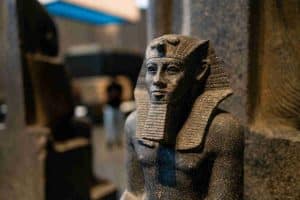
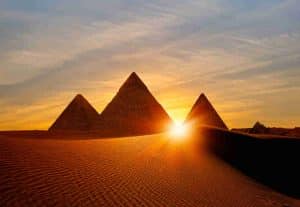
The sun has always been a highly revered element for Egyptians since antiquity. In a place with so many sunny days (350 days a year in some parts of the country) and a landscape (the Nile Valley and the desert) that makes it ever-present, that civilization worshipped it as a true god, associated with Ra. The necropolises, moreover, were located in the direction of the setting sun, adding symbolism to death as a journey through the Afterlife, in Osiris’s barque, until a new dawn.
The position of the sun was taken into account for numerous matters, such as the construction of the Abu Simbel temples and the placement of their statues. The ‘heretic’ pharaoh Akhenaten even chose it as the only official divinity, through the worship of the solar disk.
The sun in Egypt today
Today, the sun in Egypt is a major tourist draw. So many sunny days are a guarantee for any travel itinerary, as they make it easier to carry out activities without weather-related setbacks, even during winter, early spring, and late autumn: while in other parts of the Northern Hemisphere that time of year is cold and unpleasant, in Egypt it is especially pleasant. That is why it is considered peak tourist season.
December, January, February, and March are perfect months to plan tour itineraries around Egypt filled with experiences, enhanced by the sun. For example, Nile cruises—not only for the pleasure of enjoying the views on board without oppressive heat, but also for the milder temperatures for excursions to the temples and cities along the banks.
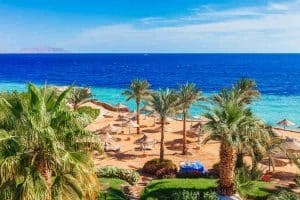
The same applies to get-away holidays on the Red Sea: for those who need a winter break of sun and sea, places such as Hurghada, Sharm el-Sheikh, or Marsa Alam are always perfect for relaxing on a sun lounger or cooling off in the water among colorful fish.
Even when the sun disappears from the sky, its importance is immense: clear night skies make stargazing activities possible, especially in the Egyptian desert. And everything discussed here adds even more symbolism, if possible, to the solar eclipse of August 2027.
Sun precautions
In summer and during the warmest periods of spring and autumn, tourism does not stop. However, the intensity of solar radiation and high temperatures make it necessary to take extra precautions. In summary, here is a list of tips you should follow if your trip coincides with the hottest times of the year:
- Protect your skin from solar radiation, which is very intense during the middle hours of the day. To do so, use sunscreen and wear light, long garments, for example linen or cotton.
- Protect your head with caps and hats, especially wide-brimmed ones to provide enough shade for your face and neck.
- Protect your eyes by wearing sunglasses, preferably polarized, to create an additional barrier against radiation reflected off other surfaces, such as the water of the sea or the Nile.
- Stay well hydrated by drinking water that is not especially cold, in small amounts but regularly, before you feel thirsty.